
Turn Your Jewellery Hobby Into a Business
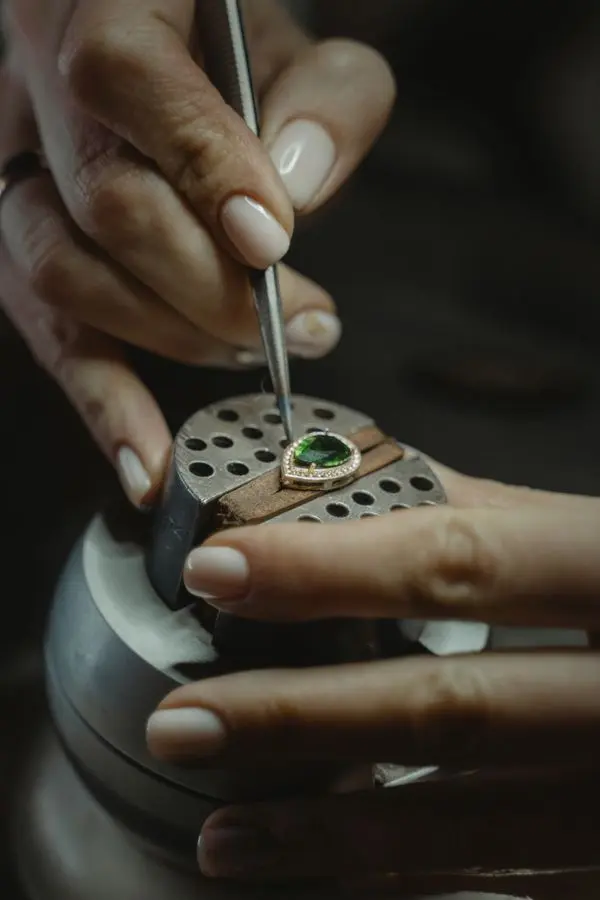
Many jewellery makers start with a hobby and later want to sell what they make. Turning that skill into a business takes more than good craftsmanship: you also need consistent quality, correct pricing, a way to reach buyers, and basic paperwork in order. This guide walks through the practical steps.
1. Build consistent skill first
Buyers expect every piece to match the photo they saw. Before selling, make sure you can repeat a design several times with the same size, finish and strength. Focus on a small range of designs you make well, such as a few payal patterns or ring styles, rather than many designs made unevenly.
2. Choose a clear niche
A focused niche makes it easier to describe your work and find buyers. Examples include traditional silver payal, lightweight daily-wear silver, oxidised tribal-style pieces, minimalist modern designs, or custom name jewellery. Pick something you enjoy making and that you can source materials for reliably.
3. Price your work properly
Under-pricing is the most common mistake new jewellery businesses make. A simple pricing method is to add up:
- Metal cost: the weight of silver used multiplied by the current silver rate, plus an allowance for metal lost during cutting and filing.
- Other materials: solder, findings, stones, packaging.
- Labour (making charge): the hours you spend multiplied by a fair hourly rate for your skill.
- Overheads: tools, gas, polishing supplies, electricity, photography and platform fees, shared across your pieces.
- Profit margin: on top of all costs, so the business can grow.
Because silver prices change, recalculate the metal cost regularly instead of fixing one price forever.
4. Product photos and descriptions
Most buyers decide from photos. Use natural daylight or a simple light box, a plain background and several angles, including one photo showing the piece being worn for scale. In descriptions, state the metal and purity honestly, plus the weight, size, finish and care instructions. Accurate descriptions build trust and reduce returns.
5. Where to sell
- Your local network: friends, family, local boutiques and exhibitions are a good place to get first feedback.
- Social media: Instagram, Facebook and WhatsApp Business let you show new pieces, take orders and answer questions directly.
- Online marketplaces: handmade and general marketplaces give you access to more buyers but charge fees and have their own rules.
- Your own website: gives you full control of your brand and pricing once you have regular customers.
6. Branding basics
Choose a business name and a simple logo, and use them consistently on packaging, social profiles and invoices. Neat packaging with a care card makes even a small piece feel premium and encourages repeat orders.
7. Legal and compliance points
Requirements depend on your location, turnover and how you sell, so confirm current rules with a chartered accountant. Common points jewellery sellers in India look into include business registration (for example Udyam registration for small enterprises), GST registration where applicable or where a marketplace requires it, proper invoicing, and BIS hallmarking for silver articles where you choose or are required to hallmark. Always describe purity truthfully.
8. Customer service and custom orders
Reply quickly, give realistic delivery times and explain your return or repair policy before the sale. Custom orders (names, sizes, matching sets) often earn better margins, but agree the design, size and price in writing first.
9. Keep learning
New techniques let you offer new designs. RPJ Making's online silver jewellery making courses teach techniques for payal, chains, kamarband and modern designs in Hindi, with one year of course access. Start with the beginner's guide, or contact us to choose a course.